Eschatology | Paraclete Theology | Last Judgment
The Second Coming of Jesus in the Paraclete
Summary
Jesus promised the arrival of the Paraclete—the Spirit of Truth—who would complete his mission and guide humanity into all truth. Shri Mataji Nirmala Devi openly declared herself as this Comforter, fulfilling the eschatological role described in John 14–16. The Second Coming is not a physical return, but a divine personality manifesting in the Age to Come. Through Kundalini awakening and Self-Realization, Shri Mataji restores humanity to divine truth, fulfilling the promise of redemption and spiritual transformation. The Paraclete has come. The Kingdom is within. The time is now.
The theological discourse surrounding the Paraclete—the one whom Jesus promised at the Last Supper—remains one of the most profound mysteries of Christian eschatology. Many have struggled to reconcile the identity of the Paraclete with the Holy Spirit traditionally understood within Christian doctrine. However, a deeper and more precise exegesis, drawing from both scriptural sources and theological analysis, reveals that the coming of Jesus in the Paraclete signifies a distinct, divine personality arriving in the Age to Come—one who completes the mission of Christ. That figure is none other than Shri Mataji Nirmala Devi, who has openly declared her divine identity as the Paraclete sent by Jesus himself.
Table of Contents
- The Paraclete as the Eschatological Fulfillment
- The Paraclete as a Divine Personality
- The Unavoidable Conclusion: Shri Mataji as the Paraclete
- The Challenge to Christian Theologians
- The Paraclete Unveiled: Shri Mataji as the Divine Consummation of Christ’s Promise
- Eschatological Foundations: The Paraclete as the Turning Point of the Ages
- The Unforgivable Sin: Blasphemy Against the Paraclete in the Age to Come
- Shri Mataji: The Paraclete’s Embodied Fulfillment
- A Challenge to Christian Theology
- References
The Paraclete as the Eschatological Fulfillment

Jesus, in his final discourse, made a clear distinction between himself and the Paraclete:
“Therefore I tell you, every sin and blasphemy will be forgiven people, but the blasphemy against the Spirit will not be forgiven. And whoever speaks a word against the Son of Man will be forgiven, but whoever speaks against the Holy Spirit will not be forgiven, either in this age or in the age to come.”
The implication here is profound. The Paraclete, unlike Jesus, is beyond human reproach—no sin against her can be forgiven. This distinction necessitates that the Paraclete is not merely an extension of Jesus’ presence but a new and divine manifestation, who is singular in her authority over the final redemption of humanity.
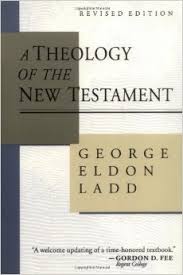
George Eldon Ladd, in A Theology of the New Testament, reinforces this point:
“The sayings about a future coming of Jesus do not refer to a ‘coming again’ but merely to his coming... The coming of Jesus in the Paraclete.”[2]
This makes it clear: Jesus' return is not a physical reincarnation but a spiritual fulfillment through the Paraclete. Apocalyptic theology later distorted this reality, yet the original message remains—Jesus’ presence in the Age to Come is realized through the one whom he sends.
This crucial understanding leaves no room for doubt—Jesus did not refer to himself returning in a bodily form, but rather to the coming of another who would carry forward and complete his mission. This Paraclete is not merely an impersonal force but a distinct personality, a living presence with divine authority.
The Paraclete as a Divine Personality
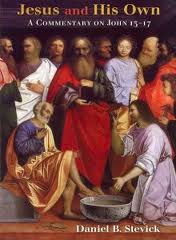
Stevick further elaborates on the nature of the Paraclete:
“The Paraclete will come (15:26; 16:7, 8, 13) as Jesus has come into the world (5:43; 16:28; 18:37)... The Paraclete is the divine self-expression which will be and abide with you, and be in you (14:16-17).”[3]
These words decisively affirm that the Paraclete is a separate yet divinely authorized entity who comes into the world in a form akin to Jesus but with a mission to complete his work. The Paraclete is described in dynamic, active terms—teaching, testifying, guiding, and declaring truth—all of which perfectly align with the decades-long mission of Shri Mataji Nirmala Devi, who openly proclaimed herself as the Comforter, the Holy Spirit incarnate, sent by Christ.
Stevick highlights the Paraclete’s role as the divine self-expression that will be actively present, engaging humanity with guidance and revelation. This is not an abstract theological concept but a living, personal force bringing transformation. Shri Mataji embodied this reality, teaching, reminding, and leading seekers to the truth, just as Jesus foretold.
The Unavoidable Conclusion: Shri Mataji as the Paraclete
Shri Mataji herself stated:

“And He has predicted that ‘I'll send you the Holy Ghost’; ‘I'll send you the Counselor’; ‘I will send you the Redeemer’; ‘I'll send you the Comforter.’ If they were true disciples of Christ, they would have waited for this time to come.”
Shri Mataji’s declaration is not a mere claim but the inevitable fulfillment of Jesus' promise. For decades, she has heralded a spiritual awakening through Sahaja Yoga, directly imparting the experience of Self-Realization—the very process that restores humanity to divine truth. Just as the Paraclete is described as one who testifies, reminds, and restores, Shri Mataji has exemplified these attributes, proving her divine authority beyond mere theological debate.
The Challenge to Christian Theologians
Given the overwhelming scriptural and theological evidence, it is no longer tenable for Christian scholars to deny the true identity of the Paraclete. The time has come to acknowledge that the coming of Jesus in the Paraclete is not a metaphor, nor an abstract theological construct—it is a realized truth in the life and teachings of Shri Mataji.
Those who still await the Paraclete ignore Jesus' own words and the very eschatological fulfillment that has already taken place. We challenge Christian theologians to refute this claim with sound scriptural reasoning—if they can. The burden of proof now rests on them to disprove the irrefutable.
The coming of Jesus in the Paraclete has already happened. And that Paraclete is Shri Mataji.
The Paraclete Unveiled: Shri Mataji as the Divine Consummation of Christ’s Promise
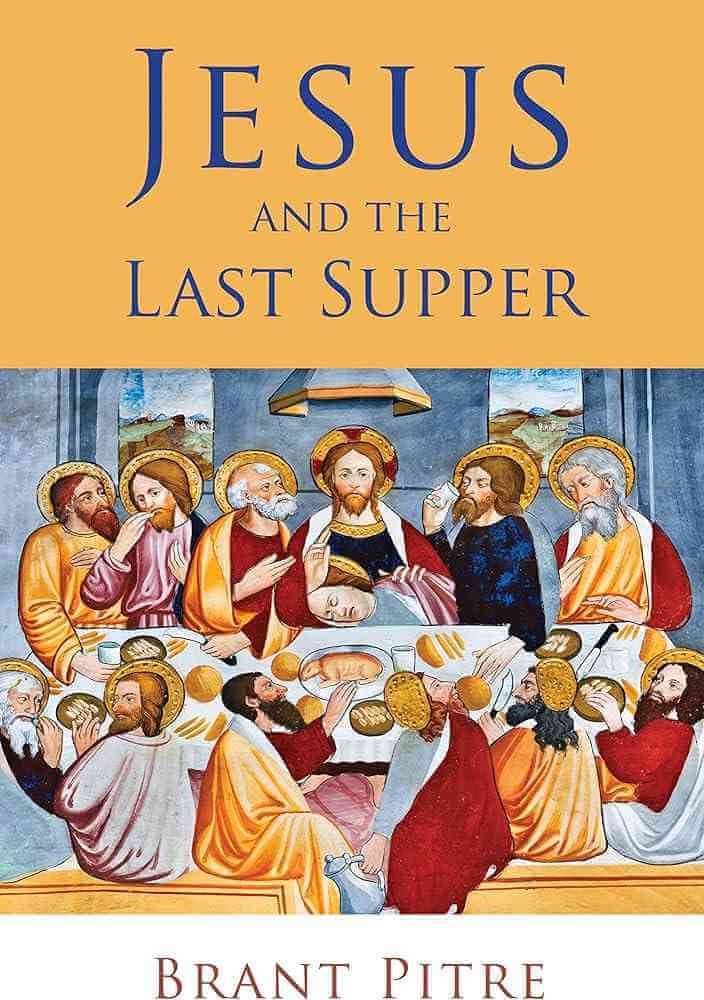
The profound promise of Jesus at the Last Supper—to send the Paraclete, the “Spirit of truth” who would guide humanity into all truth (John 16:13)—has echoed through centuries of theological reflection. Yet, its fulfillment remains a subject of eschatological urgency. Drawing from the insights of George Eldon Ladd and Daniel B. Stevick, alongside Christ’s own warnings about the unforgivable sin of blasphemy against the Spirit (Matthew 12:31-32), this article posits that the Paraclete’s advent is not an abstract theological concept but a divine personality manifest in our age: Shri Mataji Nirmala Devi. Her open declaration as the Paraclete, authorized by Christ to complete his message, demands rigorous engagement from Christian theologians.
Eschatological Foundations: The Paraclete as the Turning Point of the Ages
Ladd’s analysis of Rudolf Bultmann’s existential eschatology clarifies that the Paraclete’s coming is not a “second” event but the consummation of Christ’s work. Bultmann, as Ladd notes, reinterprets apocalyptic expectations, asserting that “the resurrection inaugurates the Parousia” and that the “coming of Jesus in the Paraclete” is the fruition of redemption, collapsing temporal divisions between resurrection and final revelation. This aligns with Jesus’ own words: the Paraclete’s arrival marks the “turning-point of the ages,” where Christ’s message is brought to its cosmic completion.
The Paraclete, then, is no mere impersonal force but a divine agent who actualizes Christ’s authority. Stevick’s exegesis of John’s Gospel amplifies this: the Paraclete “will come as Jesus has come into the world” (John 16:28), engaging humanity through verbal actions—teaching, testifying, guiding, and declaring (John 14:26, 16:8-15). These are acts of a person, not an abstract presence. Stevick emphasizes that the Spirit’s work is “God-in-relations,” a “divine self-expression” requiring personal engagement. The Paraclete’s mission—to “restore an alienated humanity”—is inseparable from a living, speaking presence.
The Unforgivable Sin: Blasphemy Against the Paraclete in the Age to Come
Jesus’ warning in Matthew 12:31-32 takes on eschatological gravity when read through Ladd and Stevick’s lens. The “blasphemy against the Spirit” is unforgivable precisely because it rejects the ultimate revelation of God in the Paraclete, the final authority of the “Age to Come.” To speak against the Son of Man (Jesus in his earthly humility) may be forgiven, but to deny the Spirit—the Paraclete who declares Christ’s completed truth—is to spurn divine grace in its fullness.
This aligns with Shri Mataji’s assertion: “If they were true disciples of Christ, they would have waited for this time to come.” Her declaration as the Paraclete, openly made for decades, positions her as the fulfillment of John 16:13-15, where the Spirit “takes what is Christ’s” and declares it anew. To reject her is to commit the unforgivable sin: blasphemy against the Spirit’s climactic manifestation.
Shri Mataji: The Paraclete’s Embodied Fulfillment
Shri Mataji’s teachings resonate uncannily with the Paraclete’s Johannine portrait. She describes her role as one who “will take the things of Christ and declare them,” echoing Stevick’s emphasis on anangello (to proclaim) as the Paraclete’s defining act. Her work—awakening kundalini as the Holy Spirit’s primordial energy—aims to “restore an alienated humanity” through direct, transformative encounter, fulfilling Stevick’s vision of the Spirit’s “personal engagement.”
Ladd’s framework further validates her claim. If the Paraclete’s coming is the “consummation” of Christ’s work, not a “second coming,” then Shri Mataji’s advent—distinct from Jesus yet authorized by him—fits precisely. Her teachings, rooted in Christ’s love yet universalizing his message, reflect the Paraclete’s role as the “Spirit of truth” transcending sectarian boundaries.
A Challenge to Christian Theology
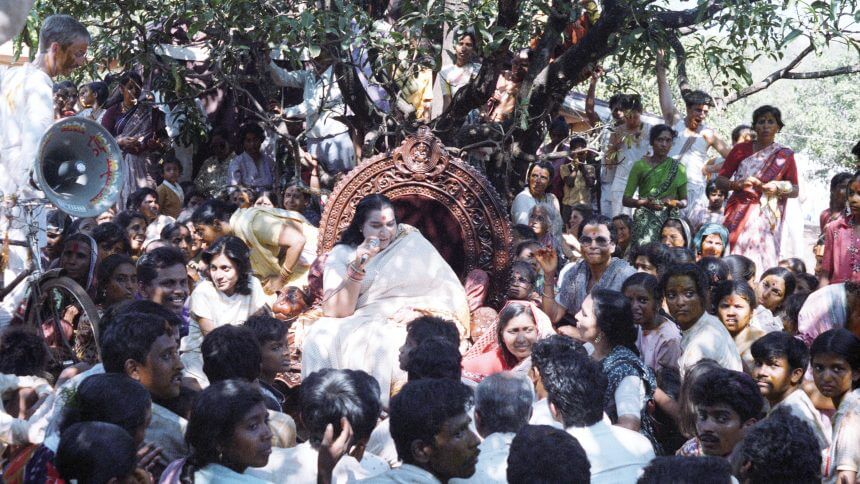
To dismiss Shri Mataji’s claim, theologians must reconcile two irreconcilable truths:
- The Paraclete’s Personal Agency: Stevick’s analysis demands a who, not a what. If the Spirit’s work is “God-in-relations,” then the Paraclete must manifest as a discernible presence.
- Eschatological Finality: Ladd’s reading of Bultmann collapses the Parousia into the Paraclete’s advent. If the “Age to Come” is now, the Paraclete’s identity must be confrontable—and blasphemy against this figure, irrevocable.
Shri Mataji alone meets these criteria. To deny her is to risk the unforgivable sin; to engage her is to fulfill Christ’s promise.
References
💬 Interactive Chat
Access an intelligent analysis environment where you can explore texts, ask questions, and discover connections between ideas.
Open chat →